
Need to know how to apply for residency program? This guide simplifies the process, covering requirements, key documents, and practical tips for a strong application.
Key Takeaways for Medical school
- Thoroughly understand residency program requirements, including the significance of personal statements, detailed CVs, letters of recommendation, and USMLE scores.
- Prepare all application components early, ensuring all documents are accurate and formatted correctly while adhering to deadlines to enhance your chances of success.
- Strong letters of recommendation and strategic program selection are crucial; opt for writers who know you well and apply early to maintain a smooth application process.
Understanding Residency Program Requirements
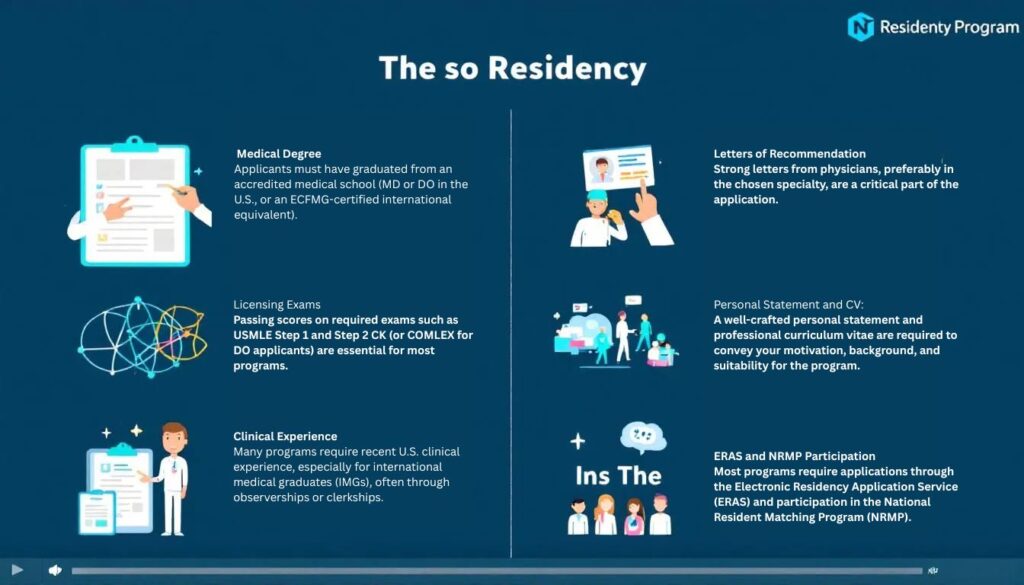
Embarking on the residency application process begins with a thorough understanding of the requirements. Completing an accredited residency training program is mandatory for practicing medicine in the U.S. This journey is particularly intricate for international medical graduates (IMGs), who must use the Electronic Residency Application Service (ERAS) and obtain ECFMG certification to apply to residency programs in the U.S.
At Medical Student Rotation, LLC our faculty of Attending physicians along with program directors guide you and mentor you through the process of ERAS application, personal statement, doing clinical rotations USCE, doing research, creating Rank order list, preparing you for interviews so that you can be successful. You can seek individual help in any of the above aspects or in the whole process as well.
A complete residency application is a compilation of your professional journey and achievements. An important part of this process includes:
- Personal statement: highlights your accomplishments and experiences
- Detailed curriculum vitae (CV): highlights your accomplishments and experiences
- Letters of recommendation
- Medical school transcripts
- Medical Student Performance Evaluation (MSPE): assesses your academic performance compared to your peers and is completed with your transcripts.
Each element showcases your qualifications and suitability as an eligible responsible example resident applicant for a residency program that will main residency match your skills and status. Candidates are evaluated based on these criteria.
Passing the USMLE Step 1 exam is a critical milestone in your application. Success in the USMLE Step 2 Clinical Knowledge (CK) exam further strengthens your candidacy, as many programs filter applicants based on their scores. Performing well on these exams, preferably on the first attempt, significantly impacts your residency application. Also, keep in mind the time since graduation, as many programs have strict requirements regarding this timeframe.
Letters of recommendation are another cornerstone of your application. Here are some key points to consider:
- Aim to secure letters from individuals who know you well and can vouch for your clinical abilities and personal qualities.
- Typically, programs recommend submitting no more than four letters.
- It’s advantageous to include at least one letter from a faculty member in the specialty you’re applying to.
Involvement in organized medicine can also bolster your application by demonstrating leadership and advocacy skills, allowing you to participate effectively while participating in various initiatives.
Preparing Your Residency Application
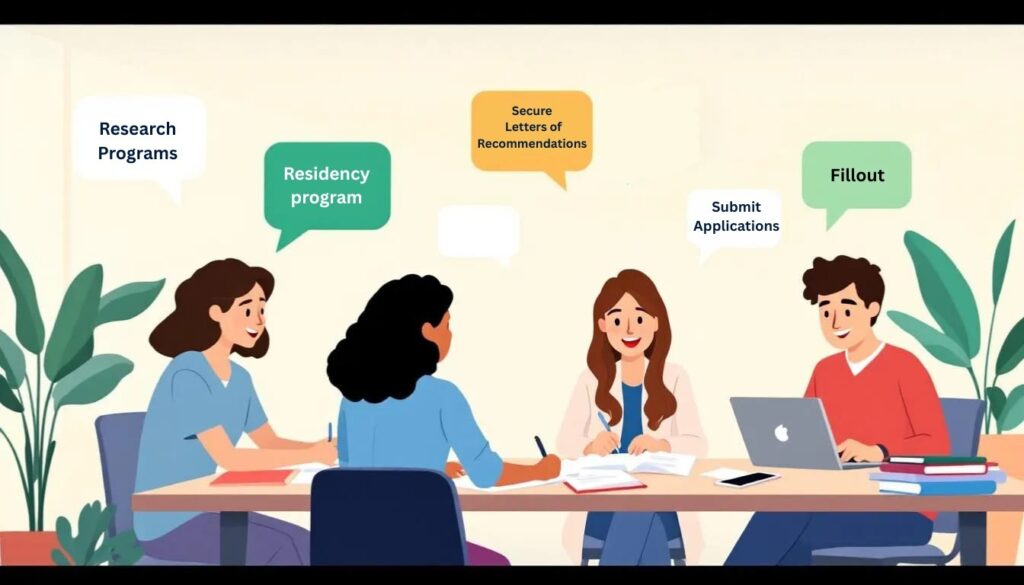
Crafting a standout residency application requires meticulous preparation. Here are key points to consider for your personal statement:
- Convey your passion for the chosen specialty.
- Highlight your achievements and relevant life experiences.
- Tailor each personal statement to reflect your specific interest in the specialties.
- Emphasize your work ethic.
- Explain how you plan to contribute to the field through your writing.
- Seek feedback from advisors and instructors to refine your narrative.
Your CV is a chronological record of your accomplishments and should be a precise representation of your professional journey. Ensure it is up-to-date and accurately reflects your achievements. When submitting your CV through ERAS, double-check for accuracy to avoid any discrepancies. A well-prepared CV is crucial for presenting your qualifications effectively.
Gather all necessary documents early to avoid last-minute scrambles. This includes your medical school transcripts, MSPE, and letters of recommendation. Make sure all documents are formatted correctly and submitted through ERAS. The application process typically begins in the fall of your third year of medical school, so start preparing well in advance to ensure you meet all deadlines.
Lastly, be mindful of application fees and budget accordingly:
- The fees associated with ERAS can add up, especially if you apply to many programs.
- Utilize resources like FREIDA’s residency calculator to plan your budget.
- Ensure that you are financially prepared for the application process.
Navigating the Electronic Residency Application Service (ERAS)
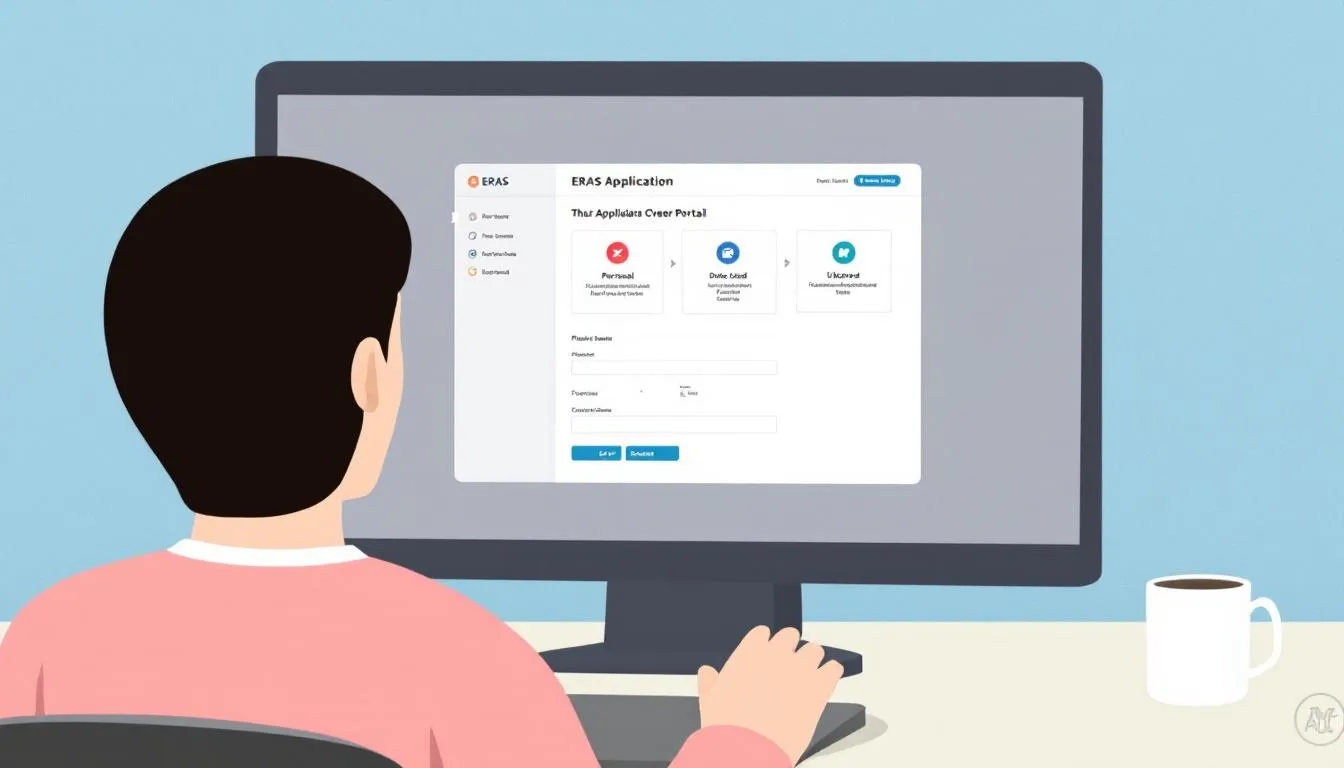
The Electronic Residency Application Service (ERAS) is a centralized system managed by the AAMC, designed to streamline the application process. The system allows medical students to apply to multiple residency programs in an organized manner, simplifying what could otherwise be a chaotic process.
Key dates for the ERAS system are critical to keep in mind. For the 2025 season, applicants can begin submitting their MyERAS applications on September 4, 2024, and programs typically start reviewing applications on September 25, 2024. Missing this deadline can severely impact your chances, so mark your calendar and prepare accordingly.
Budgeting for application fees is an important aspect of using ERAS. The cost increases with the number of programs applied to, making it essential to budget wisely. Tools like FREIDA’s residency calculator can help you estimate the total cost and manage your finances effectively. Remember, applying to more programs does not always equate to a better chance of matching; strategic selection is key. Additionally, some resources may offer free tools to assist in your budgeting process.
Filling out the MyERAS application involves several sections, including geographic preferences, awards, accomplishments, and impactful experiences. You can list up to ten significant experiences that have shaped your medical career. Additionally, a clear digital photograph is required for identification during interviews. Ensure all entries are concise and accurately reflect your experiences and achievements.
Securing Strong Letters of Recommendation
Letters of recommendation are vital supporting documents that provide residency programs with a comprehensive view of your clinical abilities and personal qualities. Choose letter writers who know you well and can speak to your strengths in the specialty you are applying to. A strong recommendation goes beyond basic endorsements to highlight your unique qualities and experiences.
When asking for letters to Medical Student, consider the following:
- Confirm that the writer is willing and able to provide a strong recommendation. If they seem uncertain, it might be better to ask someone else.
- Provide your letter writers with your latest CV and personal statement to help them craft a more tailored and personalized letter.
- Allow ample time, ideally four to six weeks, to ensure they are not rushed and can produce a thoughtful recommendation.
Consider waiving your right to view the letters of recommendation, as this can enhance their credibility in the eyes of residency programs. After receiving the letters, follow up with a thank-you note to express your consideration and maintain positive relationships with your letter writers.
Applying Early and Strategically
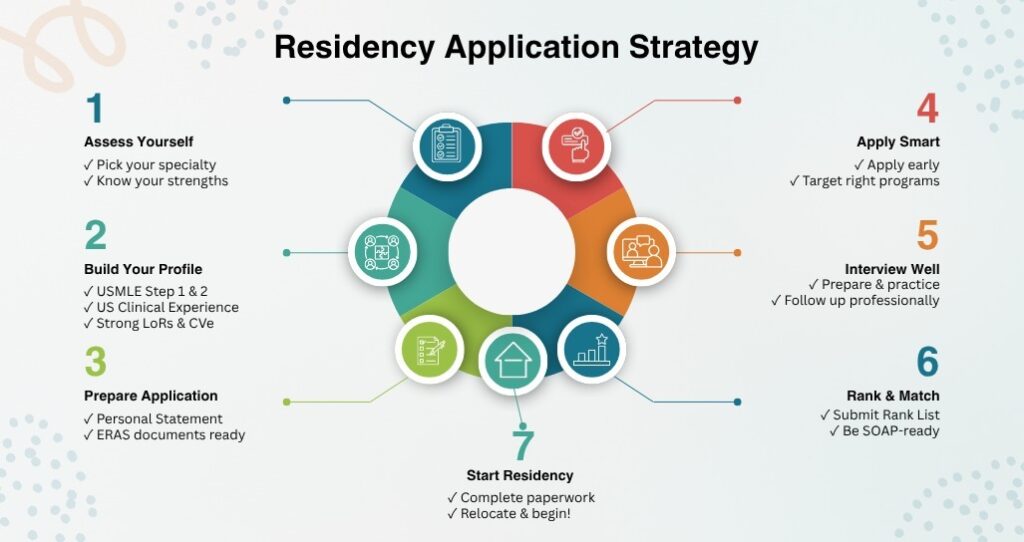
Starting the residency application process early is crucial for residency applicants to have a smooth and successful experience. Beginning early allows you to resolve any potential issues and ensures that all components of your residency applications are thoroughly prepared. This proactive approach can make a significant difference in the quality of your application.
Using systematic decision-making when selecting residency programs is essential. Align your choices with your personal and professional goals to ensure you apply to programs that are the best opportunity for you. Consider factors such as:
- Program reputation
- Training opportunities
- Faculty support Additionally, think about how you can determine your location preferences to narrow down your options to the most suitable programs.
Applying strategically also involves being aware of deadlines and ensuring that all components of your application are submitted on time. Missing deadlines can negatively impact your chances of being considered for interviews, so make sure you have a clear timeline and checklist of all required materials. This strategic planning will enhance your chances of securing interviews and ultimately matching into your desired program.
Interview Preparation and Success
The interview process is a critical stage in the residency application journey. Preparing thoroughly can make a significant difference in your performance. Practice with peers to simulate interview conditions, which helps build confidence and improve the quality of your responses. Focus on providing specific examples from your familiar experiences when answering questions, as detailed responses are more impactful during this transition.
Common interview questions typically fall into three categories: behavioral, general, and situational. Each type assesses different aspects of your experience and thinking. Be prepared for interviewing questions from all three criteria, and practice structuring your responses clearly and concisely.
For virtual interviews, which have become the norm, consider the following tips:
- Dress professionally, just as you would for in-person interviews.
- Create a quiet, well-lit space to minimize distractions and ensure a professional appearance.
- Be prepared for both live and asynchronous interview formats.
Post-Application Steps: What to Expect
After submitting your residency application, the next steps are:
- Wait for interview invitations.
- Typically, responses start coming in about four to six weeks after submission.
- During this period, respect the guidelines of each program regarding follow-up communication.
- If a program discourages follow-up, be sure to adhere to this to avoid any negative impressions. You may also want to submit any required documents promptly.
After each interview, write down your immediate impressions of the program. This practice helps in making informed decisions when it comes time to create your rank order list of programs. Additionally, reaching out to alumni of the residency programs you interviewed with can provide valuable insights into the program’s culture and opportunities, including those from the dean’s office, as well as any relevant research.
Summary
Summarize the key points of the blog post, reiterating the importance of understanding residency program requirements, preparing a strong application, securing strong letters of recommendation, and excelling in interviews. Conclude with encouragement, emphasizing that with the right preparation and strategy, success in the residency application process is within reach.
Frequently Asked Questions
What is the most important part of the residency application?
The most important part of the residency application is a compelling personal statement and strong letters of recommendation, as they can greatly influence the selection process. Prioritizing these elements will enhance your chances of success.
How should I prepare for residency interviews?
To effectively prepare for residency interviews, practice with Physicians, program directors who have taken interviews of potential candidates in past, prepare specific examples for your responses, and maintain a professional appearance, especially for virtual formats. This approach will enhance your confidence and presentation during the interview.
When should I start the residency application process?
It is advisable to start the residency application process in the fall of your third year of medical school, allowing sufficient time to gather necessary documents and prepare your application effectively.
How many programs should I apply to?
You should apply strategically to a manageable number of programs that align with your personal and professional goals, while considering factors such as reputation and location. Ultimately, focus on quality over quantity to ensure a successful application process.
What should I do after submitting my application?
After submitting your application, it is advisable to wait for interview invitations while adhering to the program’s guidelines regarding follow-ups. Additionally, take notes after each interview to assist in your decision-making process.
